From battered caps to classic bats, the kit that defined cricket's golden years still carries stories worth revisiting.
Ask any cricket fan about their favourite player from the 80s or 90s and you'll likely hear stories about centuries, wickets, and unforgettable matches. But ask them about the gear they used, and you'll unlock a different kind of nostalgia.
Before lightweight composites, custom grips, and endless sponsorship deals, cricket equipment had personality. It aged with its owner, collected scars, and became part of the story. Every scratched bat, faded cap, and overused kit bag carried memories that statistics never could.
Let's revisit some of the retro cricket gear that defined an era.
The Bats That Felt Like Family
Back in the 80s and 90s, a cricket bat wasn't simply replaced when a new model appeared.
Players formed genuine attachments to their bats. A well-used piece of English willow could stay in the bag for years, accumulating tape repairs, edge marks, and stories of countless innings.
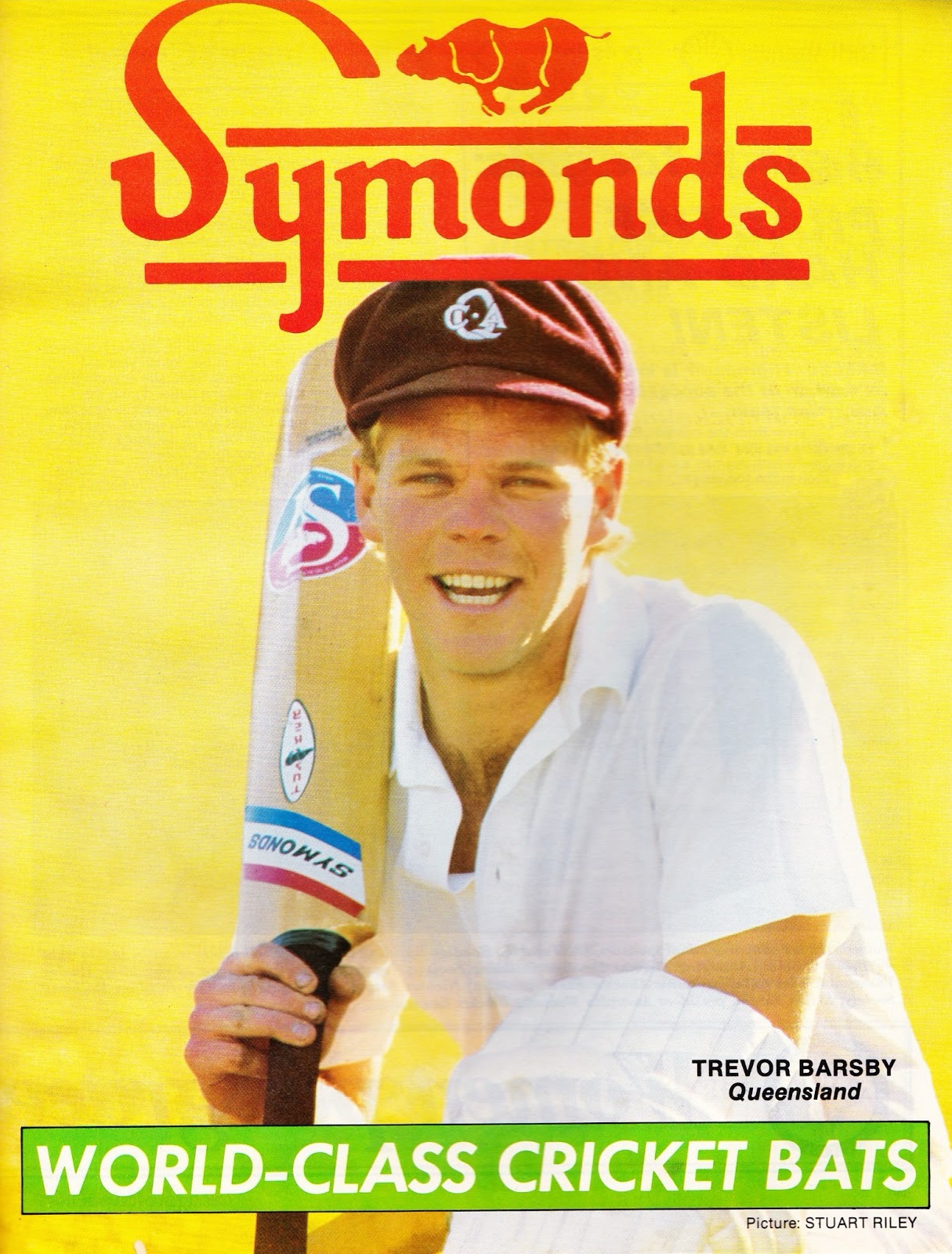
"You didn't replace a bat because a new model came out. You kept playing with it until the willow had given you everything it had." — on club cricket in the 80s and 90s
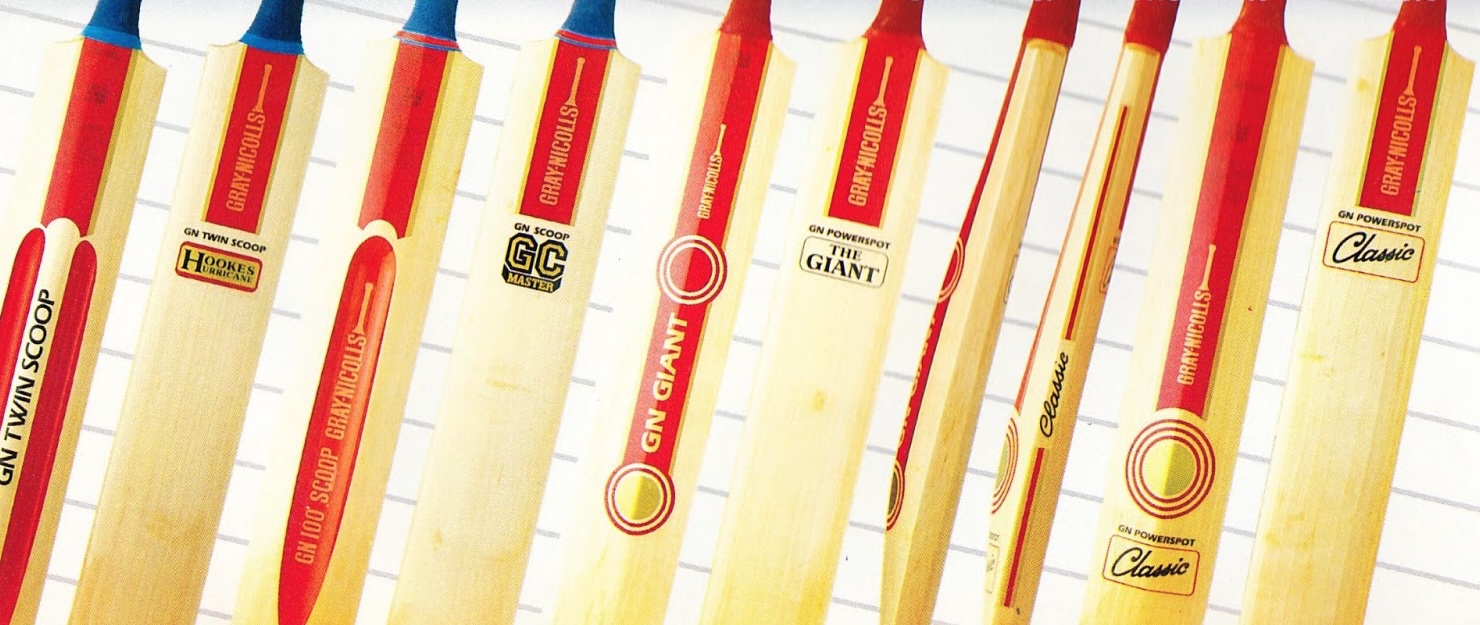
The iconic labels of the era remain etched in cricketing memory: Gray-Nicolls, Gunn & Moore, Slazenger, Duncan Fearnley, and Kookaburra.
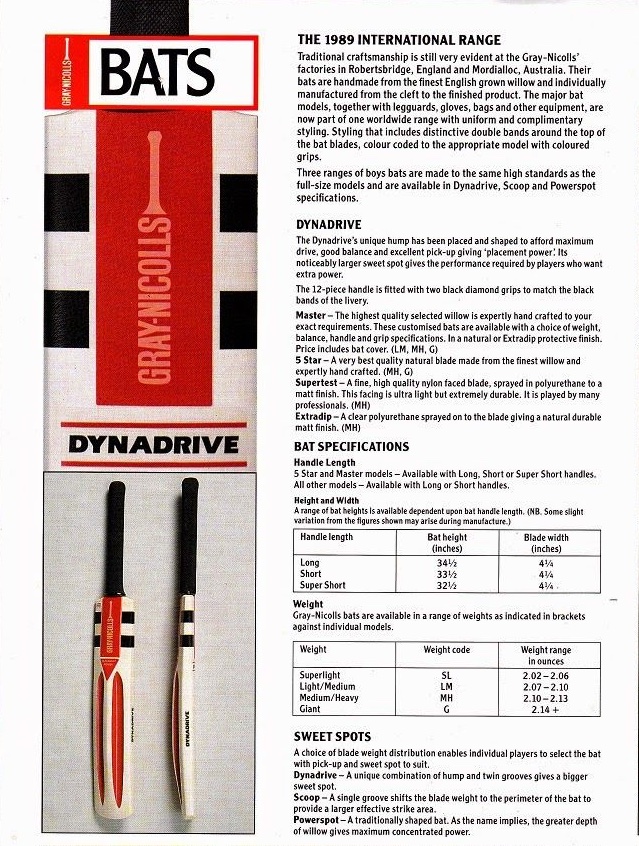
Many young cricketers dreamed of owning the same bat used by their heroes. Whether it was Allan Border's Gray-Nicolls, Brian Lara's MRF, or Sachin Tendulkar's early SG and MRF models, the bat became an extension of the player.
The sweet spot wasn't just a technical feature—it was a source of pride.
The Battered Club Cap
Every cricket club had them.
The faded navy cap. The sun-bleached maroon cap. The one that had survived hundreds of matches, countless summers, and perhaps a few accidental trips through the washing machine.
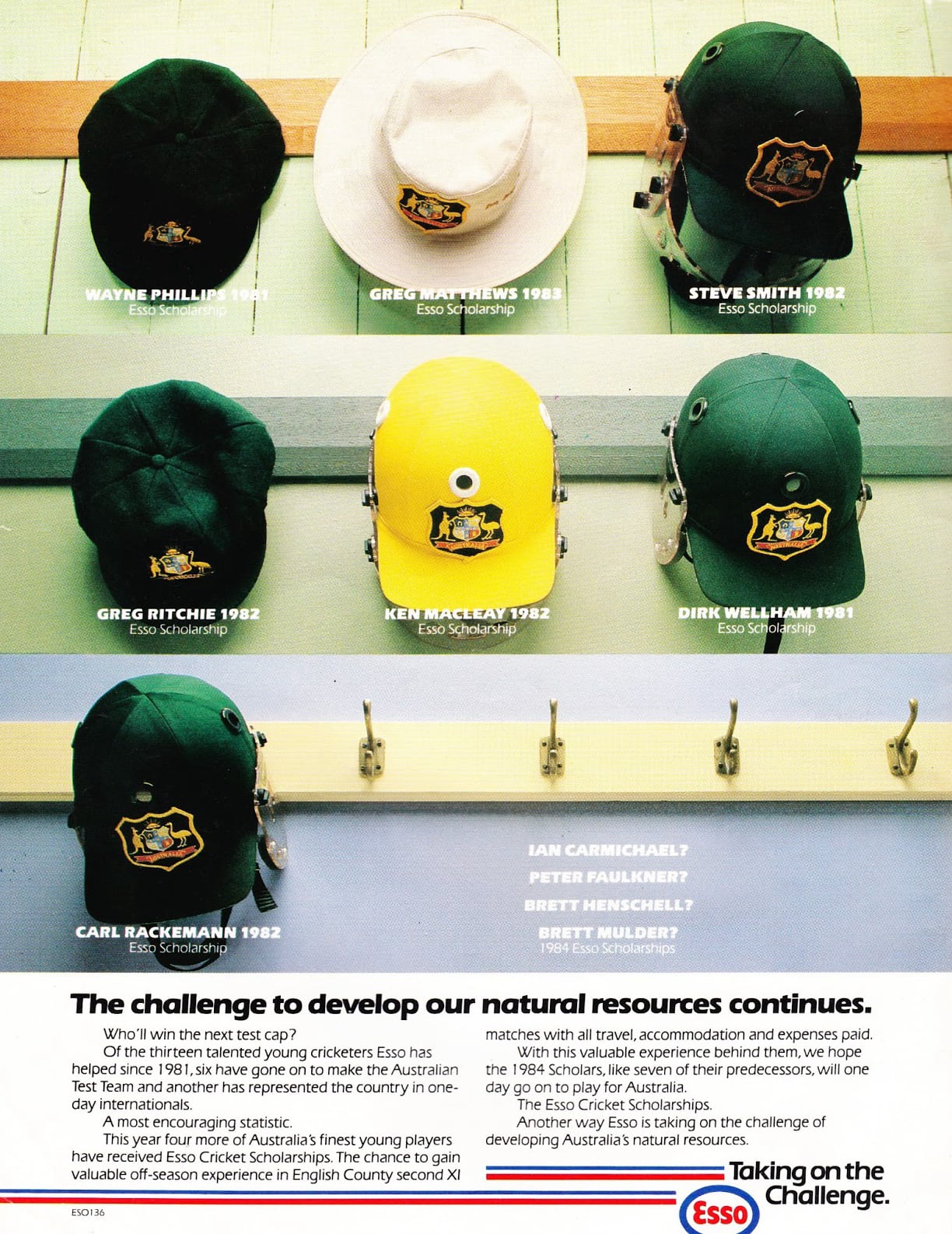
Unlike today's pristine merchandise, club caps developed character. Sweat stains, loose stitching, and worn brims told their own story.
You could often identify the veterans simply by the condition of their cap. The more worn it looked, the more respect it seemed to command.
Kit Bags That Carried Half a Lifetime
Modern cricket bags are organised and specialised. The bags of the golden era were often giant canvas caves stuffed with everything imaginable.
Inside you might find three bats, two jumpers, a towel, a half-deflated tennis ball, old scorebooks, sunscreen, electrical tape, and a lunch forgotten several weeks earlier.
The smell alone was unforgettable—a unique blend of leather, grass, linseed oil, and summer afternoons.
Every cricketer knew exactly where everything was, despite the apparent chaos.
Pads Built Like Armour
The batting pads of the 80s and early 90s looked as though they were designed to survive a medieval battle.
Heavy, bulky, and often uncomfortable, they offered protection at the expense of mobility. Running quick singles while wearing them felt like sprinting in snowshoes.
Yet those oversized pads became part of cricket's visual identity. Photos from the era instantly transport fans back to a time when comfort was secondary to survival against fast bowlers.
The Leather Ball That Lasted Forever
There was something special about opening a fresh leather cricket ball.
The shiny seam, the rich leather smell, and the promise of swing for the opening overs created excitement before a single delivery had been bowled.
Equally memorable was the old ball. Scuffed, darkened, and roughened by hours of play, it represented the battle between bat and ball. Players spent entire afternoons polishing one side while carefully protecting the other.
Every mark on the ball told part of the match's story.
Sunglasses, Zinc Cream, and Sunburnt Summers
Before sports science transformed cricket apparel, players often relied on a much simpler combination.
A pair of wraparound sunglasses, thick zinc cream across the nose, and a floppy white hat were standard summer accessories.
The look may seem dated today, but it perfectly captured cricket's relaxed atmosphere. Every club ground featured players sitting under trees, adjusting sunglasses, and waiting for their turn to bat.
The Whites That Were Never Really White
Cricket whites had a remarkable ability to become anything but white.
Grass stains, dirt marks, sweat patches, and the occasional red-ball scuff quickly transformed immaculate uniforms into evidence of a hard day's cricket.
The stains were almost badges of honour. They proved you had dived in the field, spent time at the crease, or survived a long day in the sun.
By season's end, some uniforms looked like they had played every ball themselves.
Why We Still Remember
The gear of cricket's golden years wasn't perfect. It was heavier, less protective, and far less advanced than today's equipment.
But perhaps that's why it remains so memorable.
These weren't just pieces of sporting equipment. They were companions through summer holidays, weekend club matches, backyard contests, and lifelong friendships.
For many fans, seeing an old Gray-Nicolls sticker, a faded club cap, or a weathered kit bag instantly brings back memories of a simpler cricketing era.
The equipment may have aged, but the stories attached to it never will.